GLORIANA, THE VIRGIN QUEEN
Gloriana, The Virgin Queen is historical fiction that reimagines William Shakespeare as Queen Elizabeth I's secret collaborator and spy. The well-researched work demonstrates a plausible theory connecting the Queen's authorship to Shakespeare's plays. The portrayal of William Shakespeare as the Queen’s secret agent is also credible as a study of the known facts of his life show. The dual premise creates an engaging mystery that drives the narrative forward.
Dramatis Personae
The Players
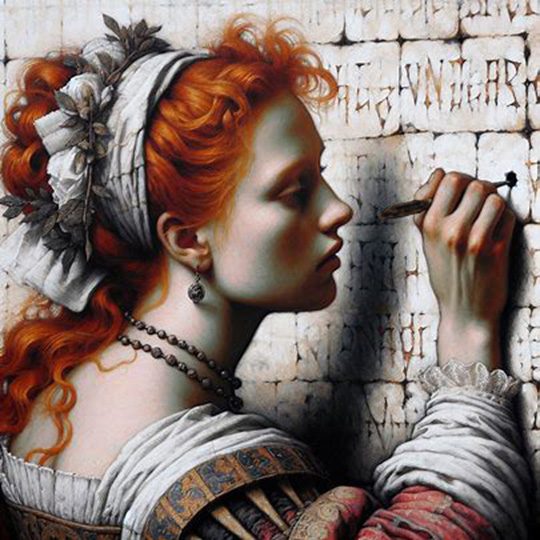
Elizabeth Tudor
The Tower of London - March 18, 1554
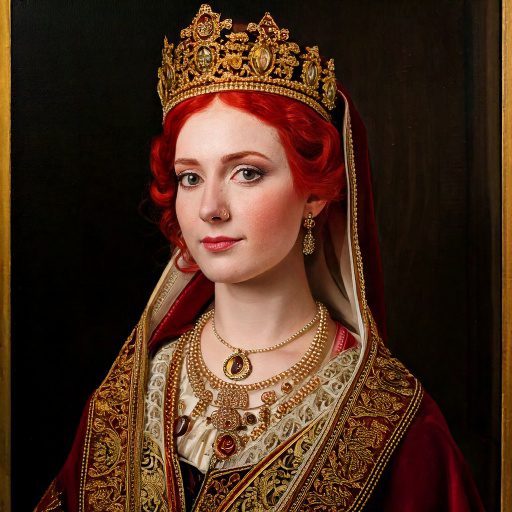
Queen Elizabeth I
January 15, 1559
Queen Elizabeth I was a highly educated woman with a vast knowledge of literature, rhetoric and logic, history and mythology, and foreign cultures and languages. Her own written record details a style that resembles the Shakespearean verse of the plays and sonnets to an astonishing degree. Blending King Lear and The Taming of the Shrew, into the narrative structure, illustrates how Queen Elizabeth I’s own life experiences may have been the inspiration for those plays.
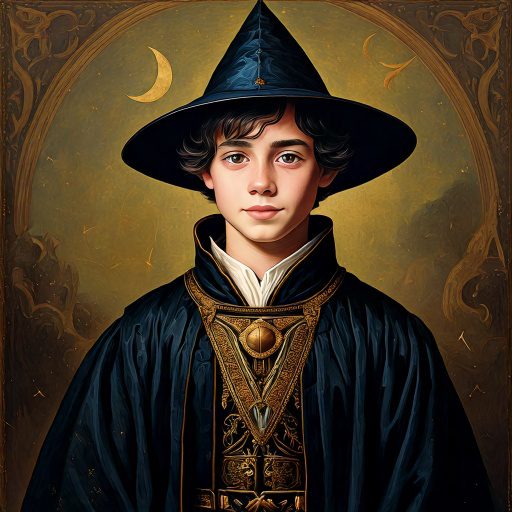
William Shakespeare
Merlin’s Apprentice
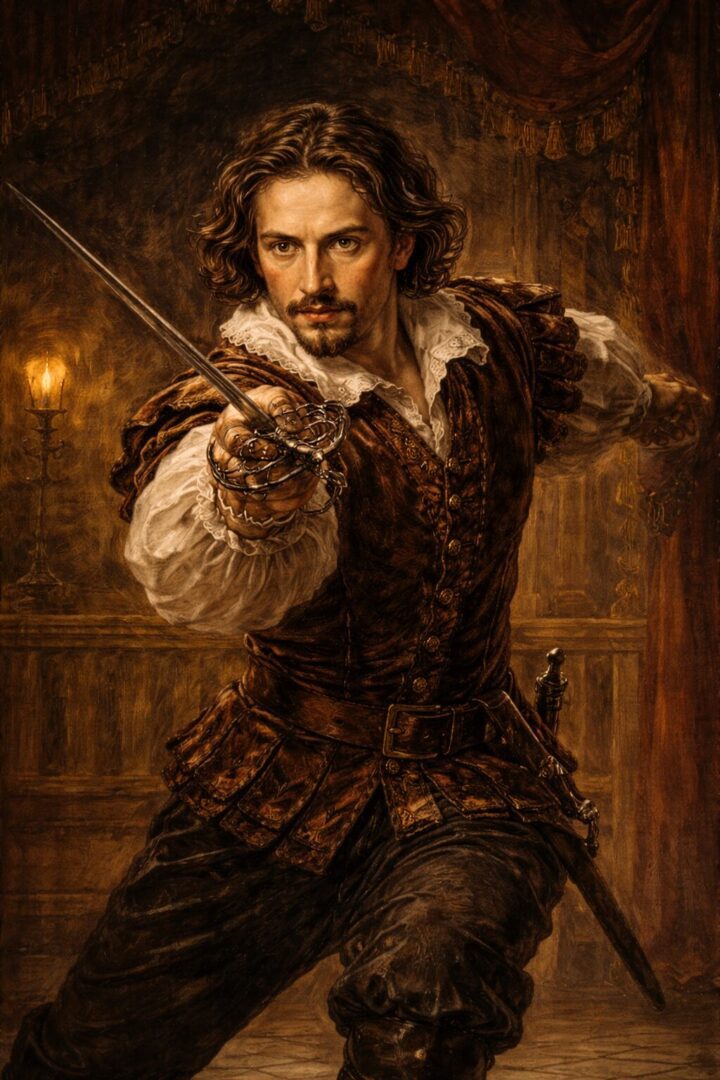
William Shakespeare
Secret Agent
The actual conspiracies against the Crown during the Tudor period include the Ridolfi Plot, the Throckmorton Plot, and the Babington Plot. The web of court Machiavellian machinations and religious conspiracies reflects the actual tensions of the era, and the inclusion of these acts of treason in the storyline contributes to its plausibleness.
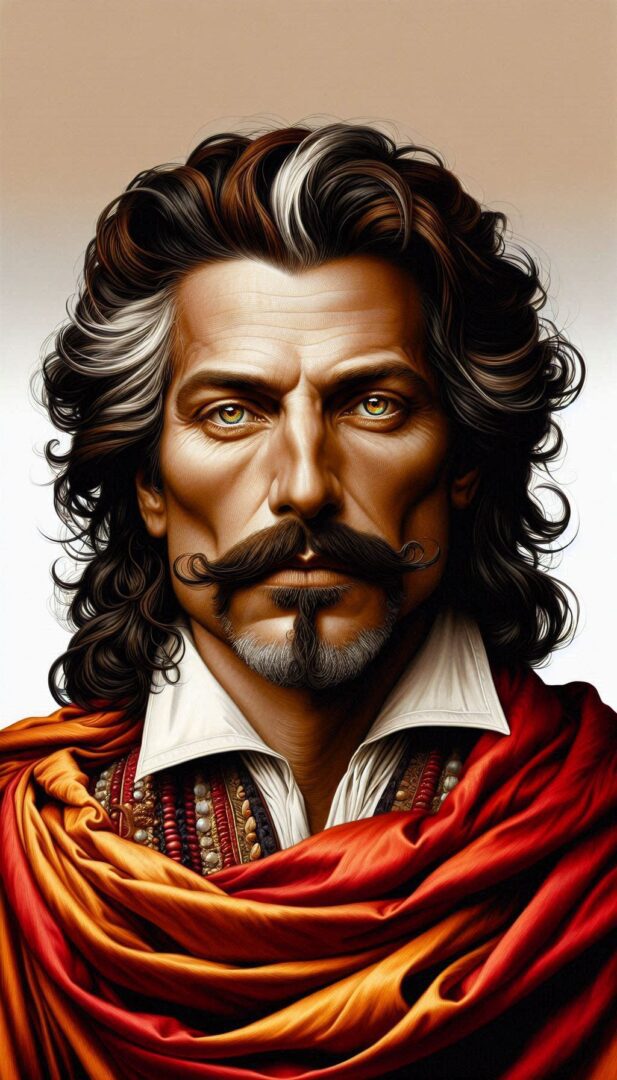
Mustapha Mastemah
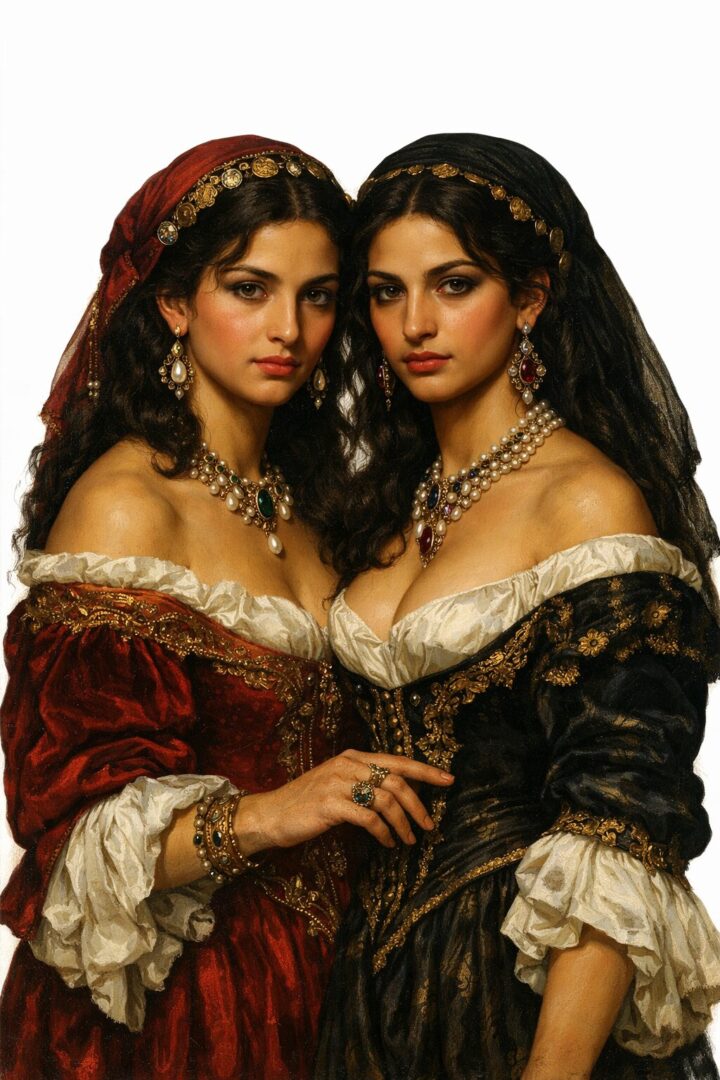
Jannis & Jambres
The theme of power and responsibility shows how rulers must sometimes sacrifice personal integrity for public benefit, reinforcing the central tension between individual truth and collective necessity. As the plot unfolds, the theme deepens to show how Queen Elizabeth I’s deception serves larger artistic and political truths that benefit the entire kingdom.
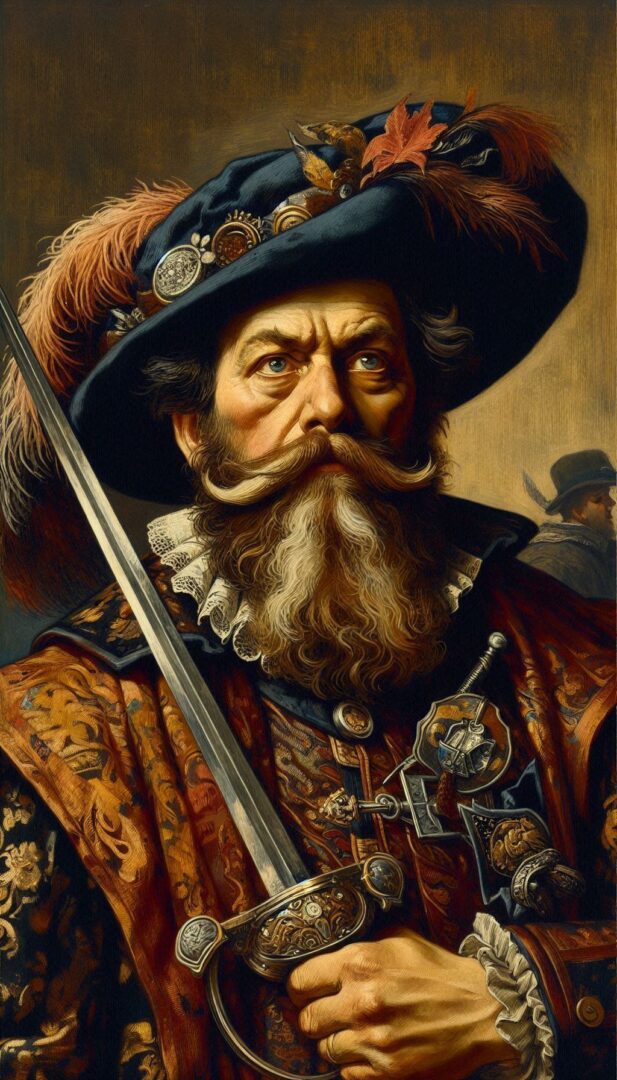
Sir John Falstaff
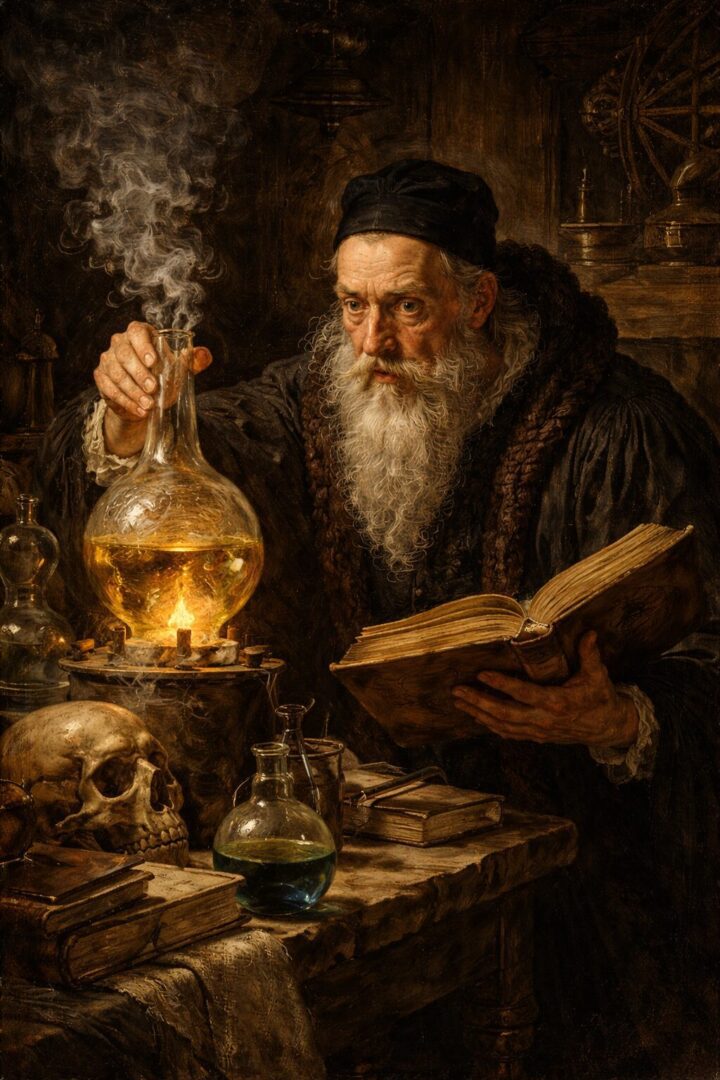
Doctor John Dee
The overall tone of the work maintains a serious, dramatic atmosphere befitting historical fiction dealing with political intrigue and religious conflict, though it incorporates moments of humor through Falstaff's comic scenes and the characters’ witty dialogue exchanges. The emotional temperature runs consistently high due to the dangerous stakes and personal relationships under constant threat.
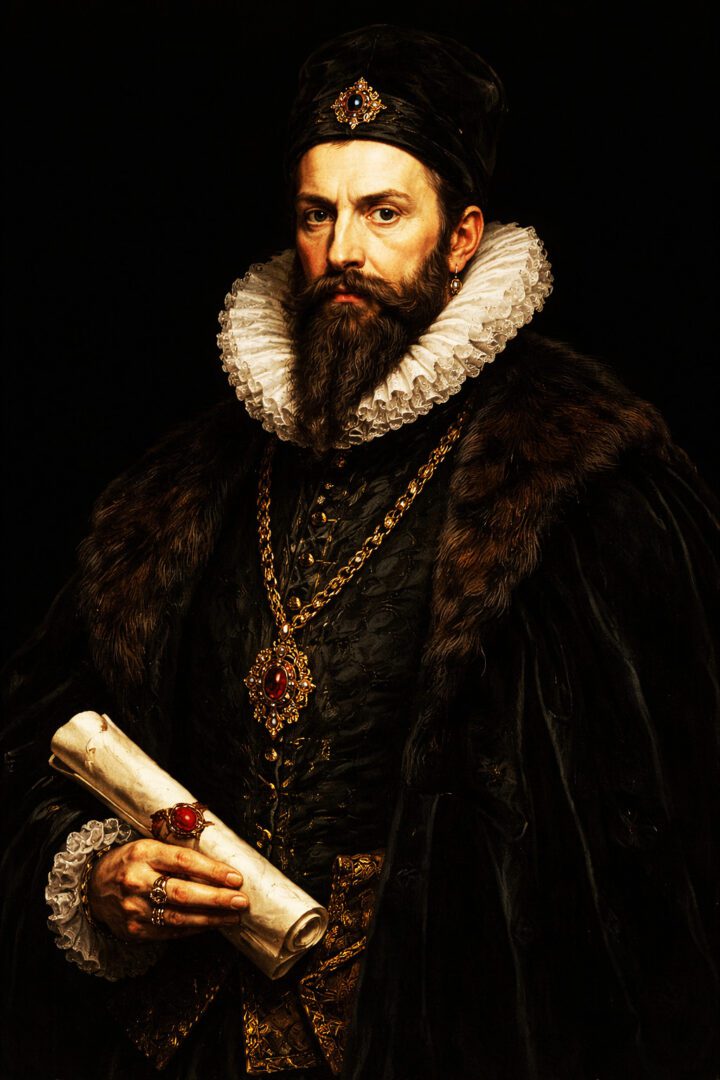
Francis Walsingham
Spymaster
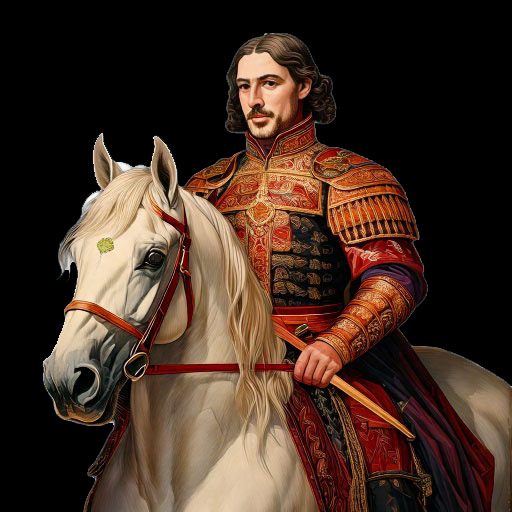
Robert Dudley
1st Earl of Leicester
The story combines historical fiction and an espionage action-adventure thriller with political drama and Late-Renaissance horror. The atmosphere draws accurate details about theatre, politics, religion and the occult and the Witch Trials, and the daily life of the period. The philosophical conversations about alchemy and religion are balanced with scenes of action and humor. The character’s perceptions shift dramatically when they witness actual occult rituals and demonic practices that were common to the era.
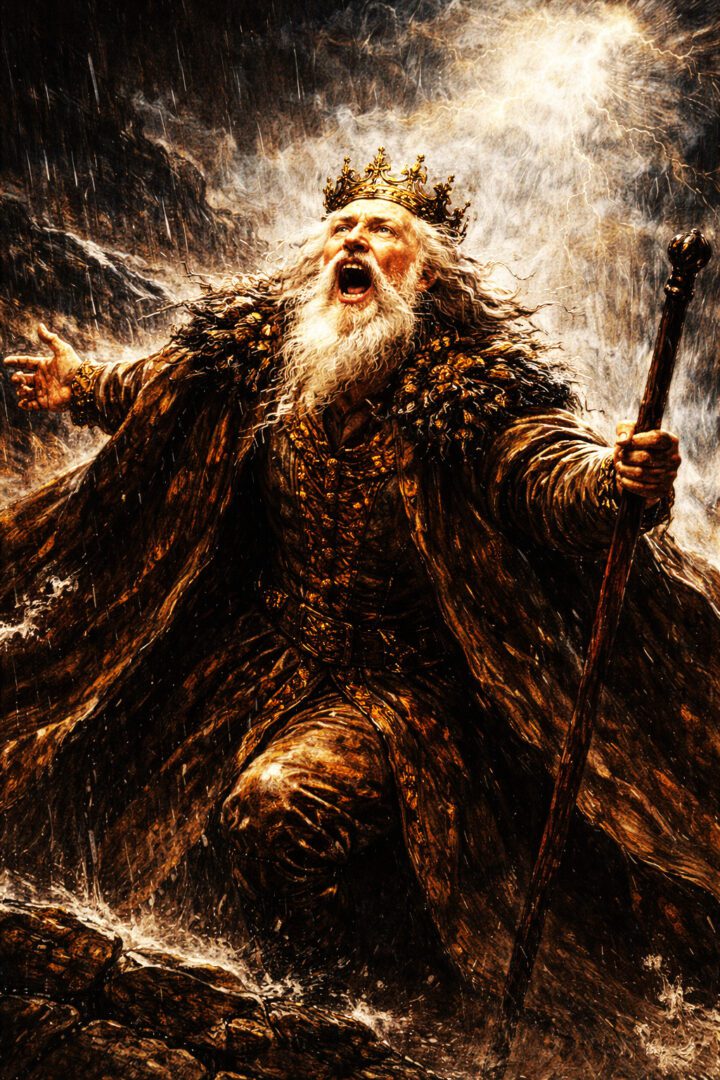
King Lear
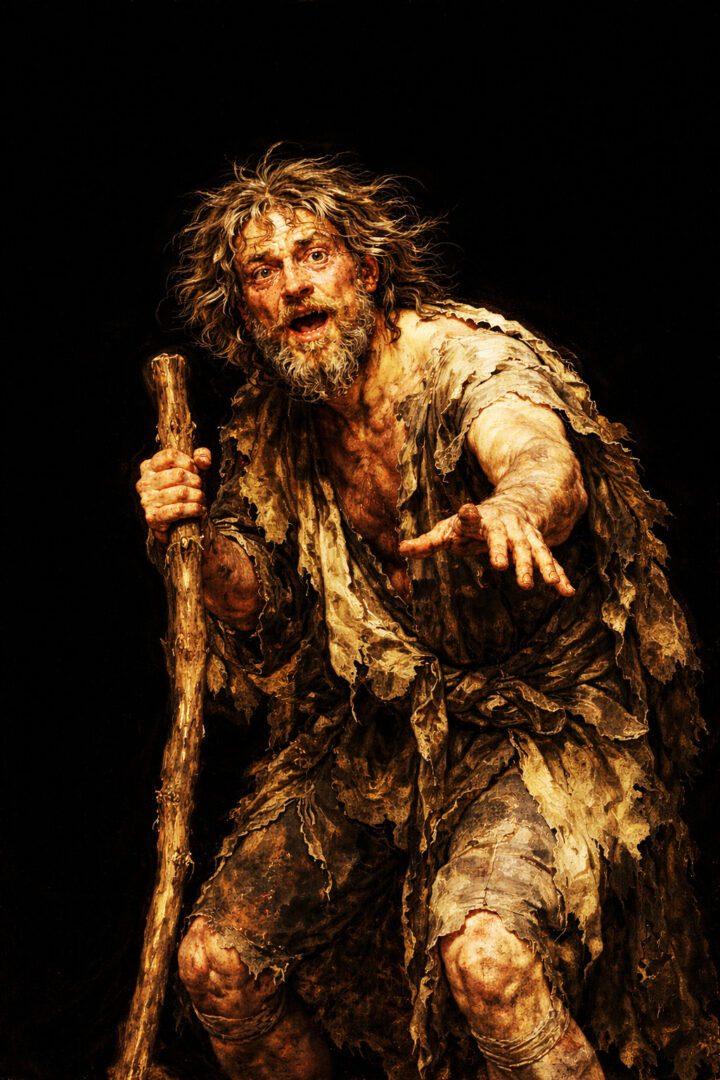
Poor Tom
The novel successfully creates multiple vivid settings that serve both the historical authenticity and dramatic needs of the story. The main settings include Elizabethan England's royal courts, the Tower of London, various castles and manor houses, the French château, and the theatrical. The author creates prose that effectively evokes Elizabethan England while remaining accessible to modern readers.
The narrative voice maintains consistency throughout, blending historical authority with dramatic storytelling in a way that engages readers interested in both the period and the characters. The author's extensive research is evident without becoming overwhelming.
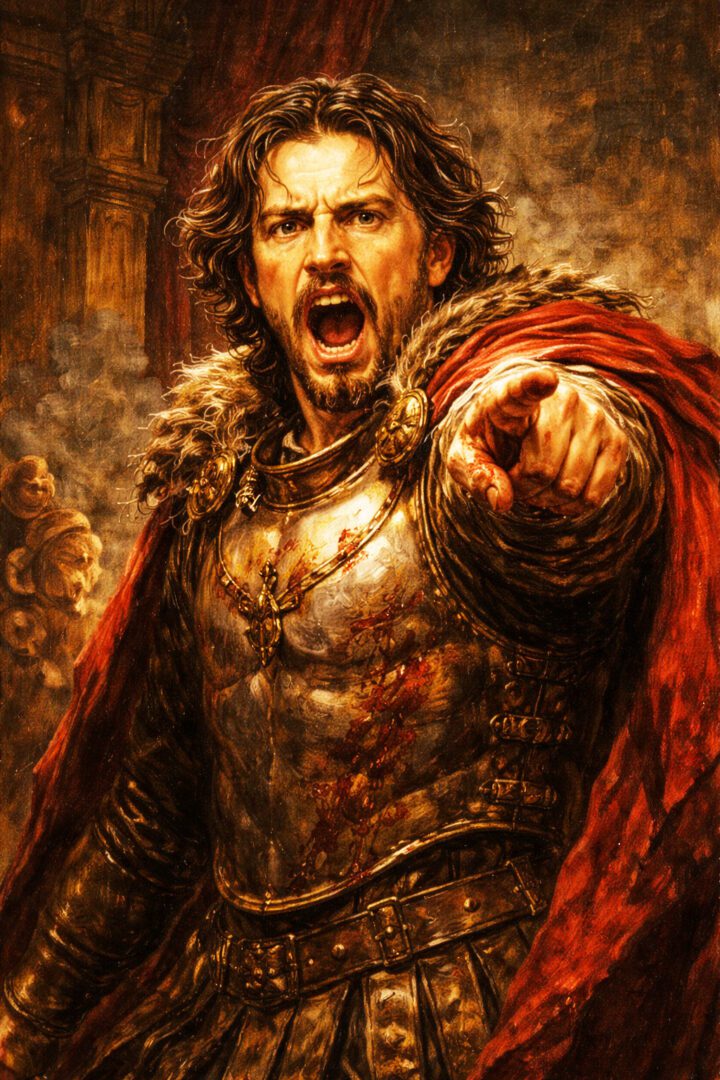
Coriolanus
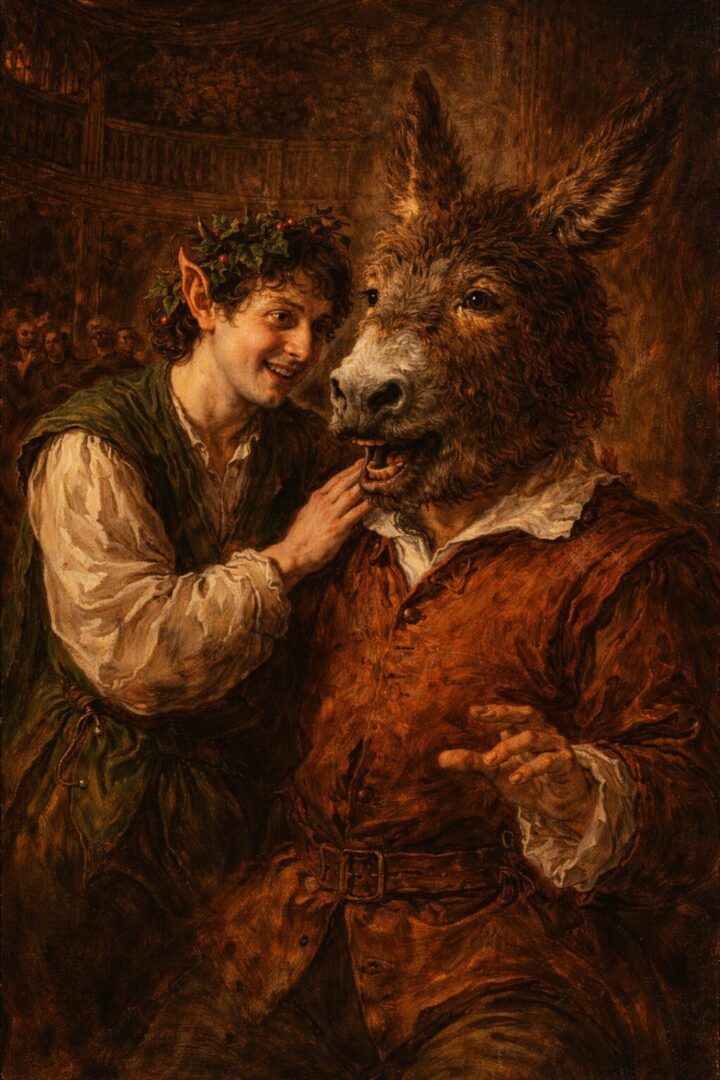
Puck and Nick Bottom
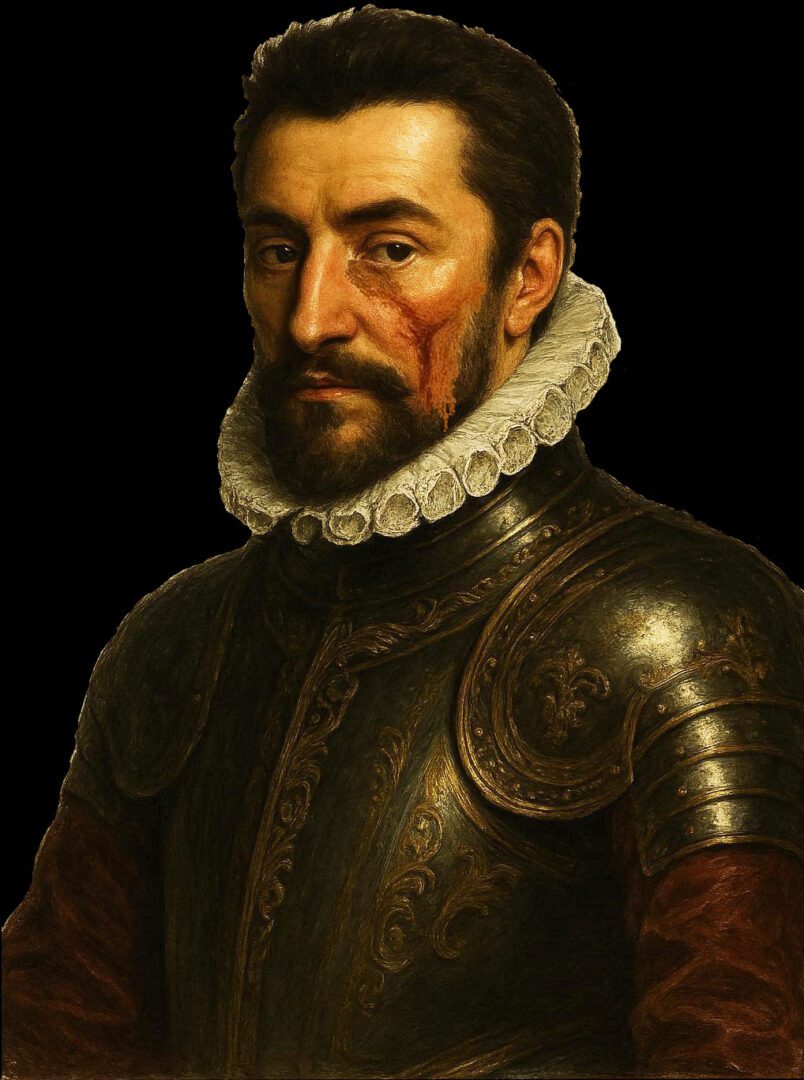
'Scarface'
Henri I de Lorraine, Duke of Guise
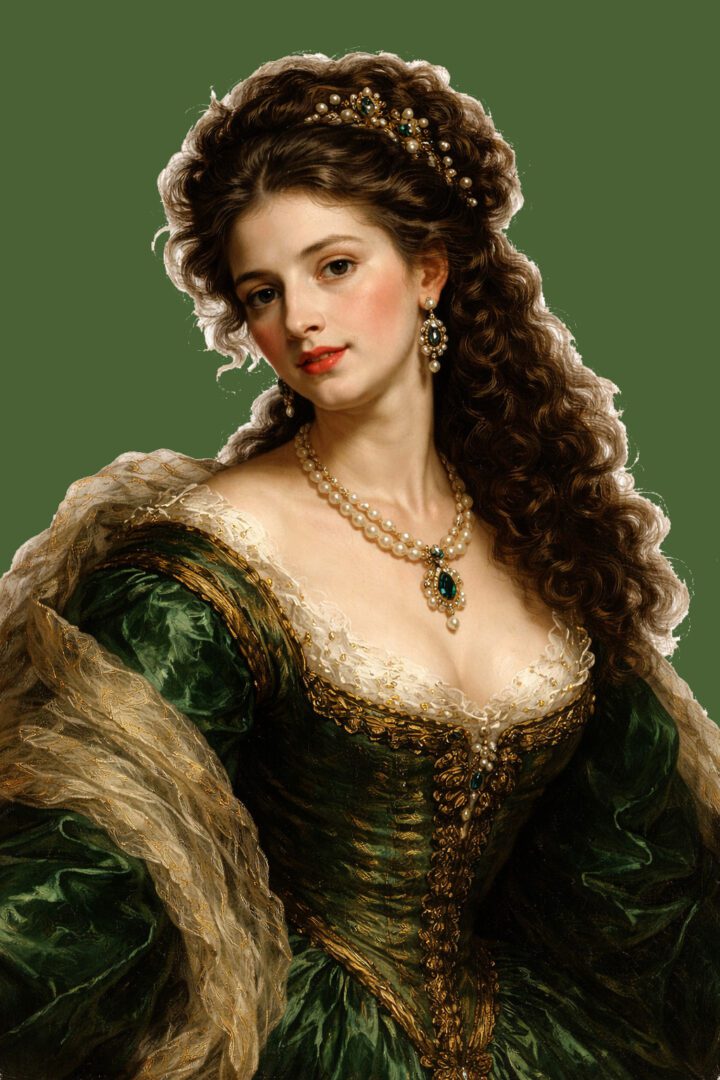
Victoria
The descriptive passages build tension through specific sensory details and psychological observation. The author's ability to shift between different registers - from courtly formality to tavern earthiness to dramatic confrontation - shows versatility and understanding of how language can establish character and mood.
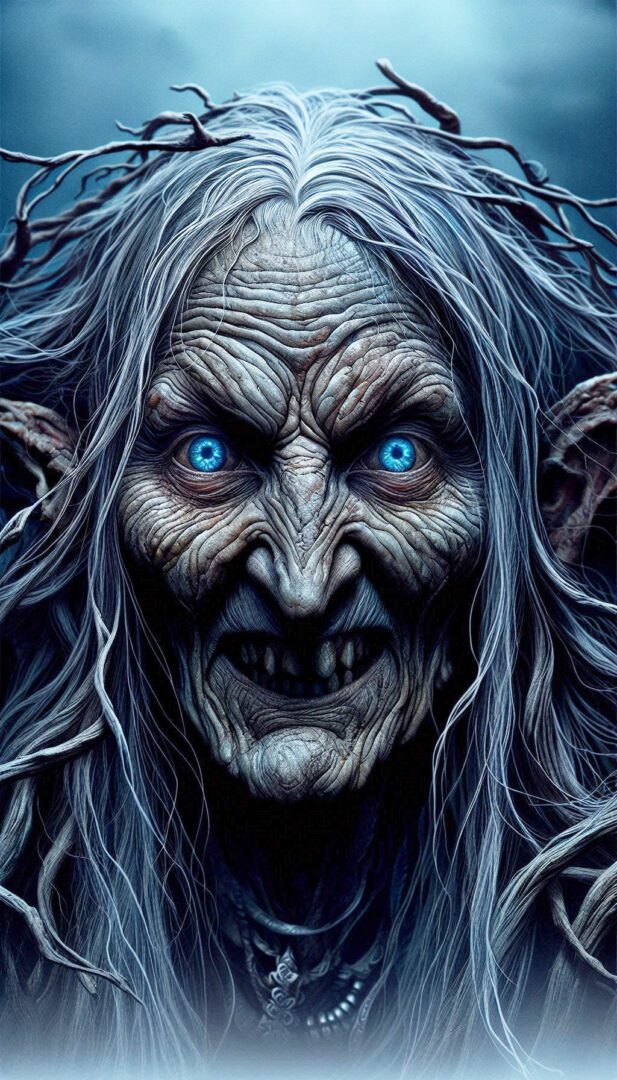
Sycorax
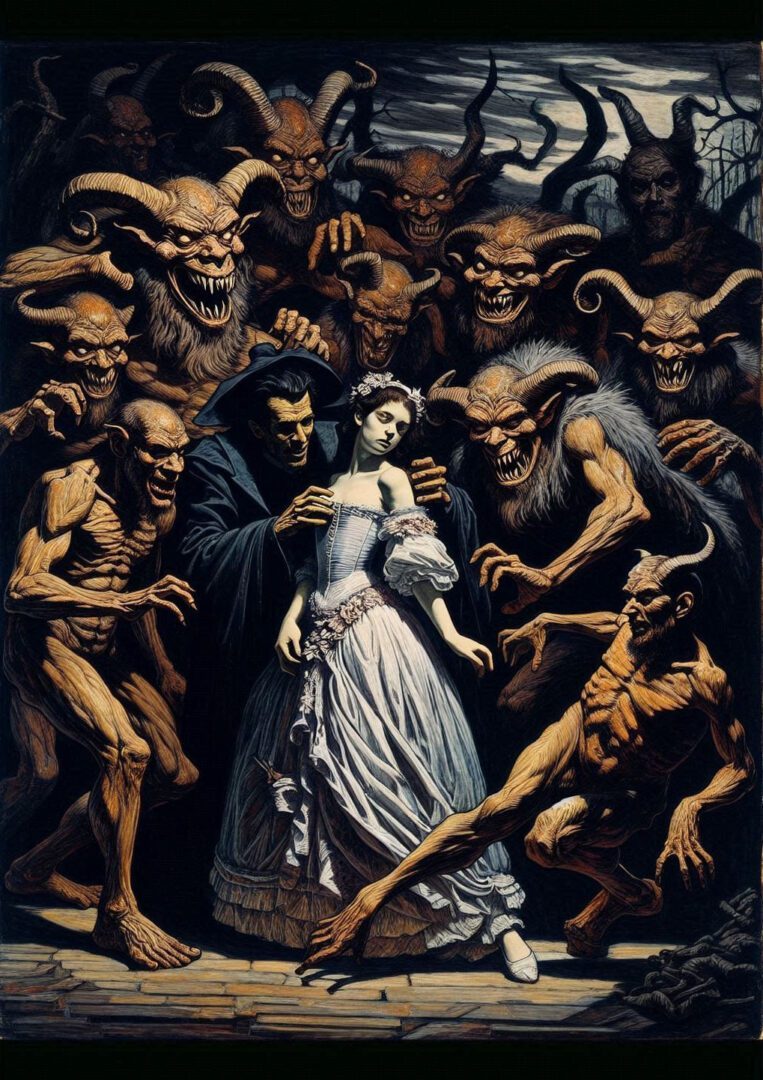
Inquisitio Horribilis
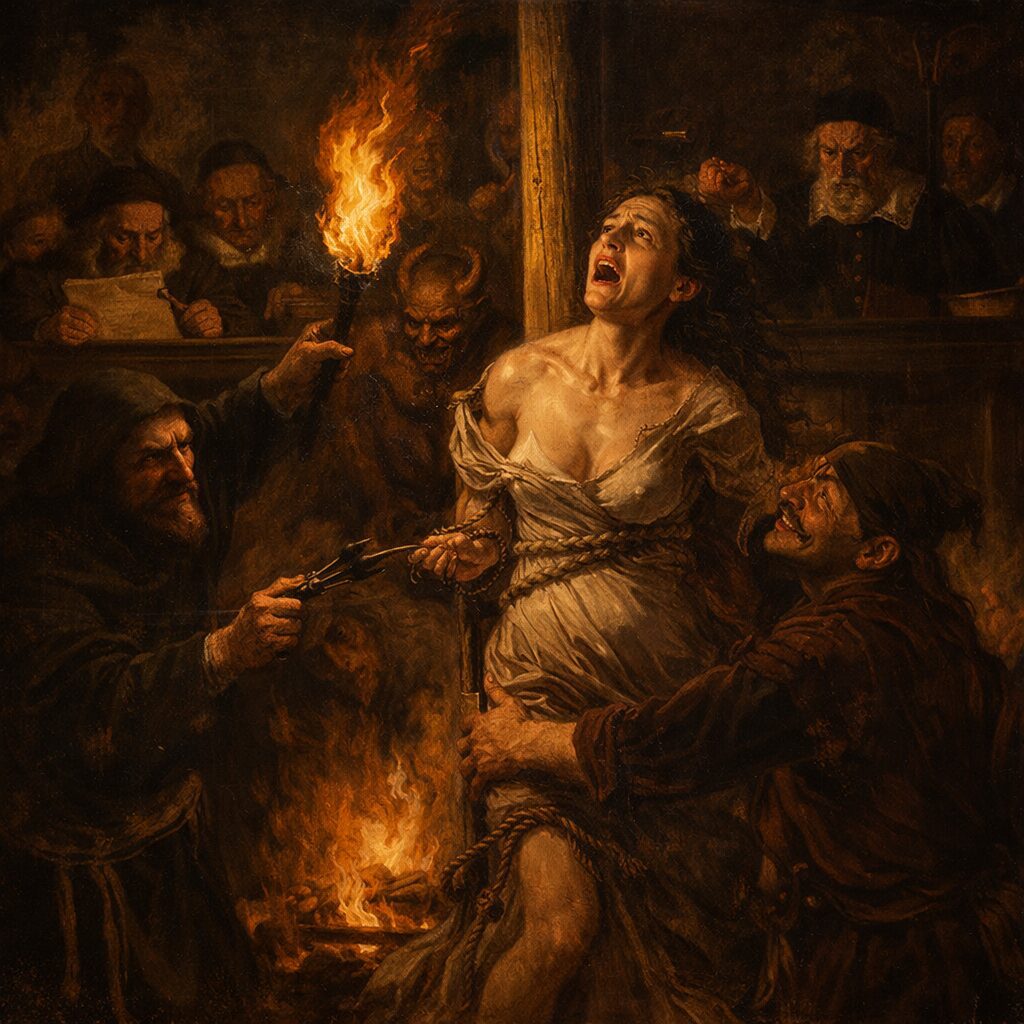
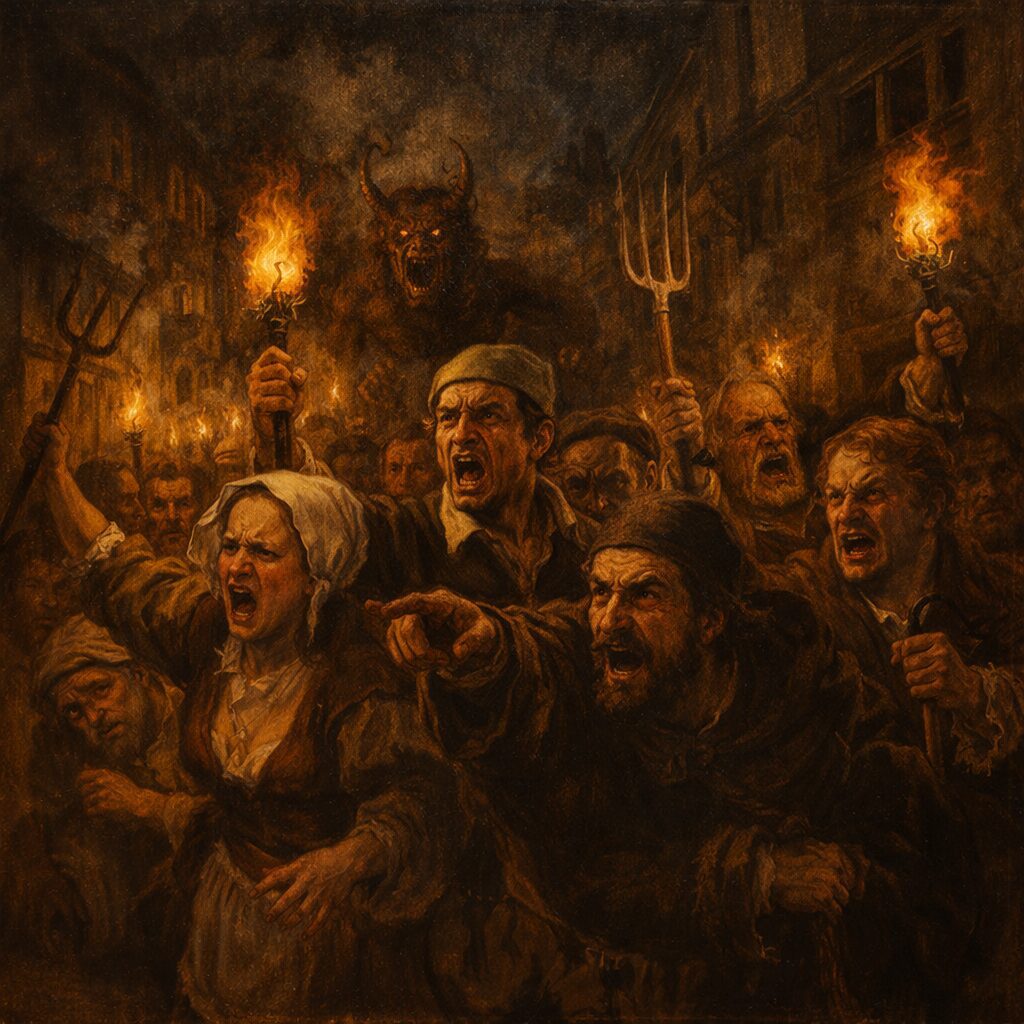
Certain elements of the horror genre seem to be taken directly from the intense superstition, fear of witchcraft, and interest in the supernatural in the Elizabethan era. Shakespeare often used witches and the occult to explore the human psyche, fate, and the fear of the unknown, ensuring these elements were integral, not just superficial, to his work. The witch Sycorax and the spirits in The Tempest, and Macbeth’s Hecate and the Weird Sisters, to the ghosts in Hamlet, cannot be undone from the Shakespearean canon and are presented effectively in the storyline.
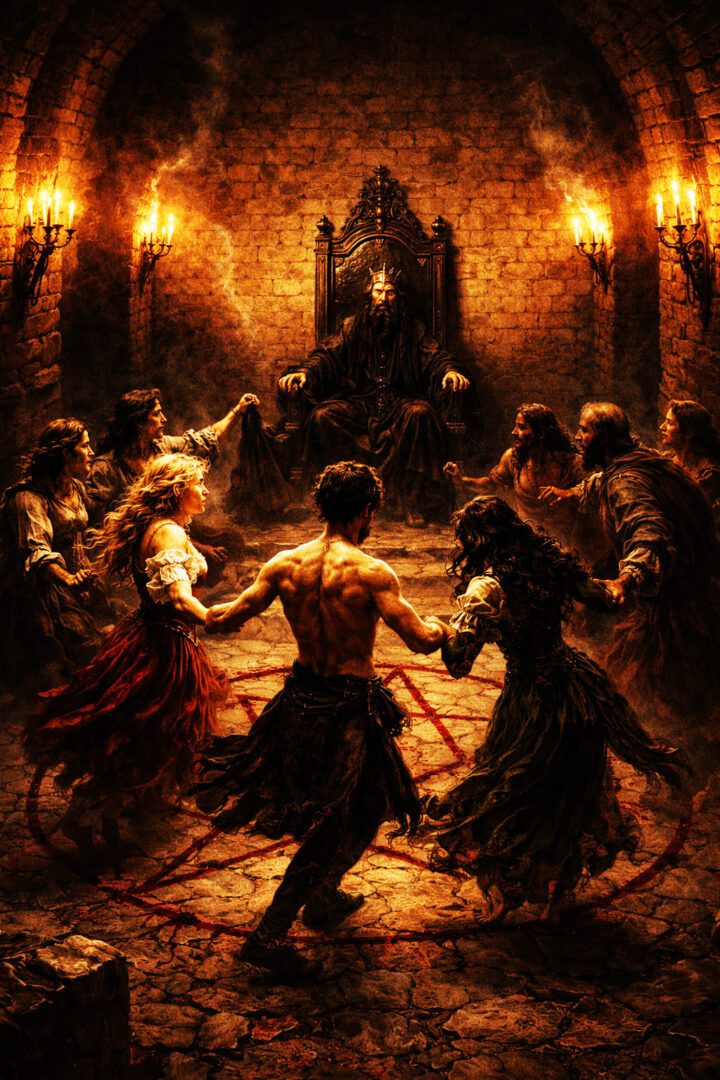
Conventicle
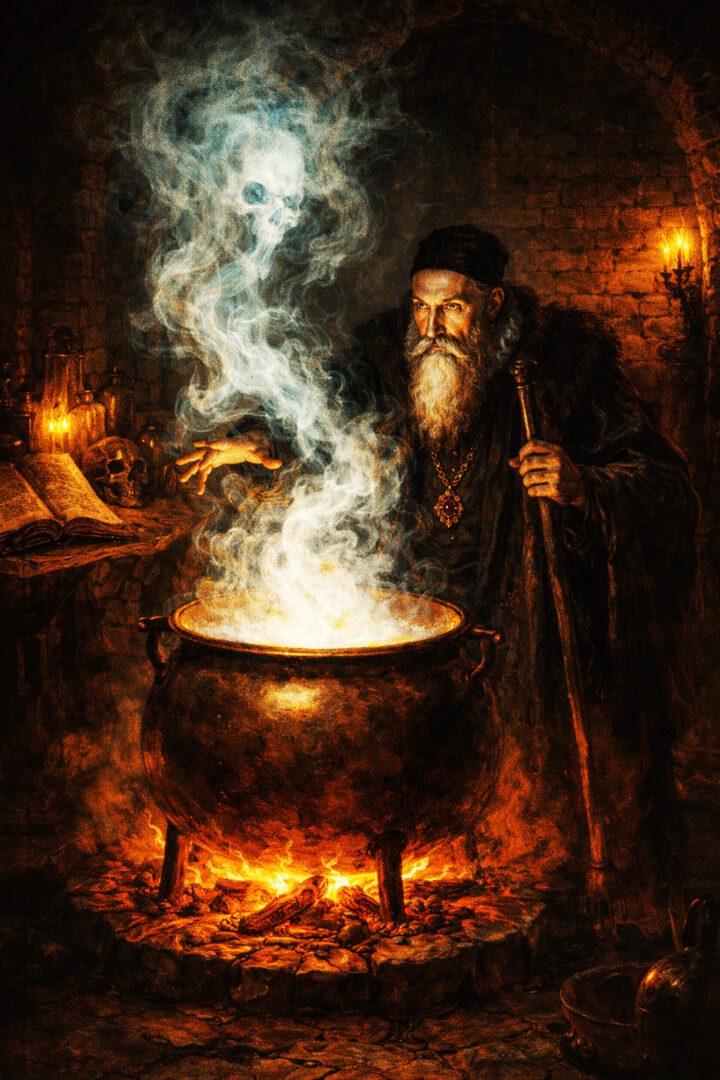
Doctor Dee’s Laboratory
The 16th-century European witch trials between 1580–1630 resulted in approximately 100,000 executions driven by religious fervor, the Reformation, and social crises. A "witch mania" overwhelmingly targeted women (75-85%) as agents of Satan. William Shakespeare and Elizabeth Tudor (Queen Elizabeth I) were born, raised, and lived in these times. The book skillfully weaves this social upheaval in the storyline.
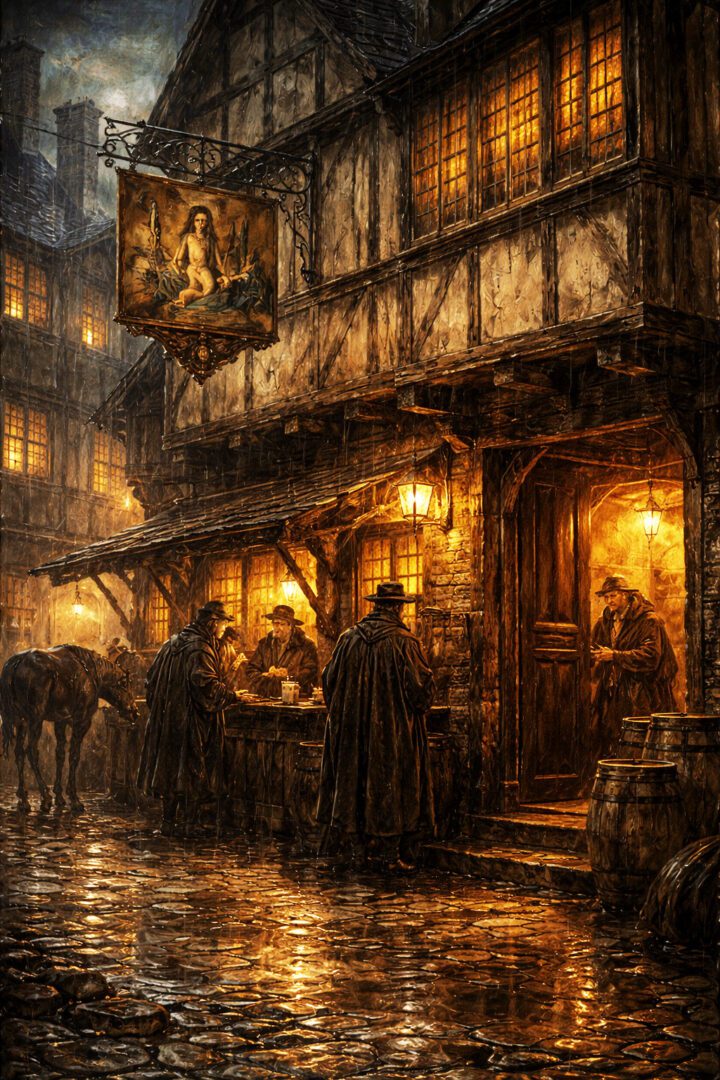
The Mermaid Tavern
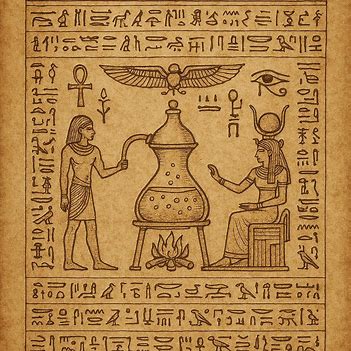
Chrysopoeia of Cleopatra